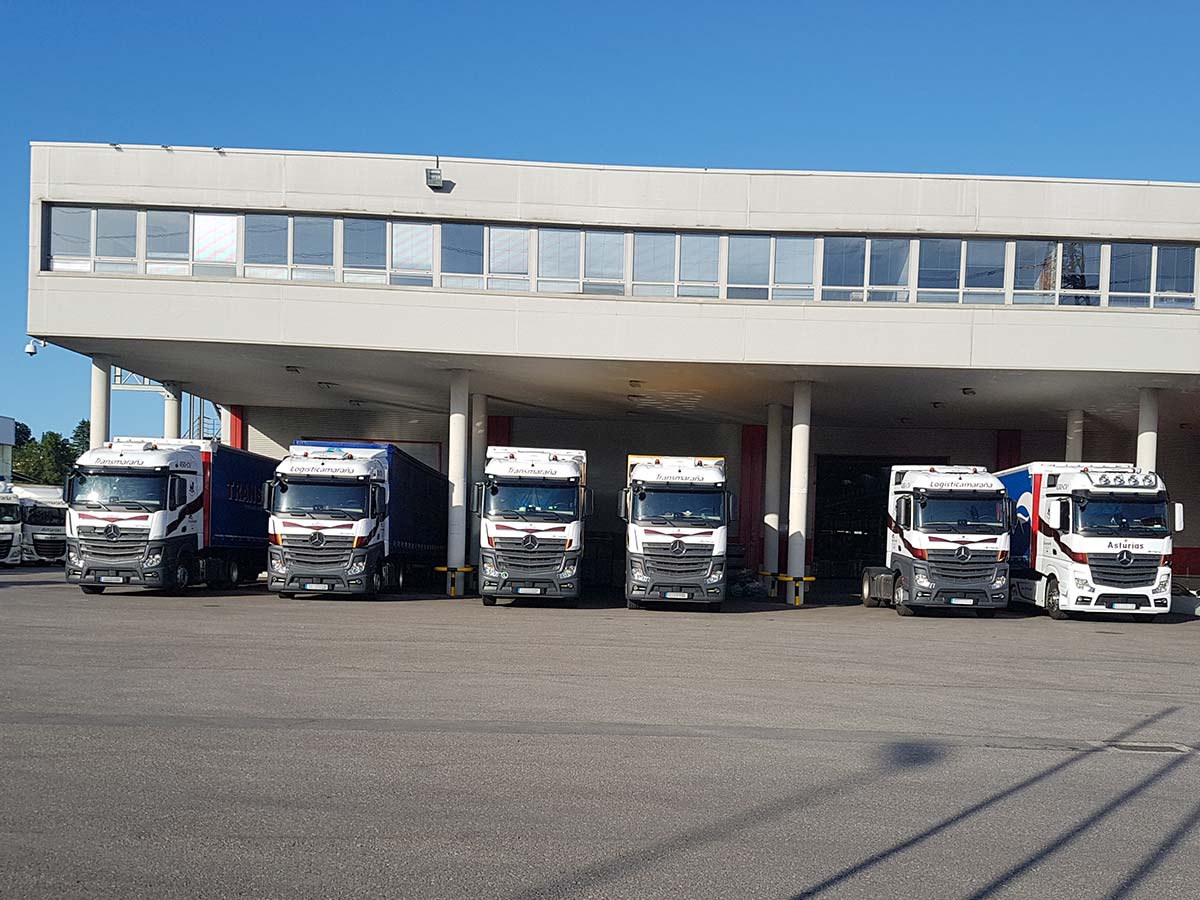

A logistics services provider company has carried out a detailed analysis of Spanish exports during 2022, based on data provided by the Tax Agency. The objective of the study was to evaluate the performance of each province in the area of exports. The results show that France is the main export destination in more than half of the provinces, and road transport is the predominant logistics mode in 79% of the territory, standing out as the driving force of exports.
This analysis reveals a notable sectoral diversification in each province’s exports, with a total of 27 different products exported, influenced by local industries and international demand. In seven provinces, vehicles are the main exported merchandise, while fuels occupy the second position in six provinces and electrical appliances in five. There are also three sectors that lead exports in three different provinces: meat products, pharmaceuticals, and iron and steel foundry.
Chemical products, which were the most contributing sector to Spain’s exports in 2022, only lead in one province. Similarly, fruit and vegetable merchandise, which previously led in 10 provinces, now only does so in two.
Regarding the destination of exports, France stands out as the main market in 27 provinces, especially in the northeast of the Peninsula, where all the provinces of Catalonia and Aragon export mostly to that country. Portugal has also gained importance as a destination, leading in 10 provinces, while Germany remains in seven and Italy in two. Other countries such as Belgium, the Netherlands, Morocco and Gibraltar are also on the list of export destinations.
Road transport continues to be the dominant mode for export in 41 provinces, confirming its importance and versatility to operate with various industries and types of merchandise throughout the peninsular territory. Sea transport is the preferred option in ten provinces, including islands and some coastal locations, while rail leads exports in a single province.
The analysis of this data provides valuable information to understand the trade flows and modes of transportation most used by each province, considering their specific industries and main destinations.