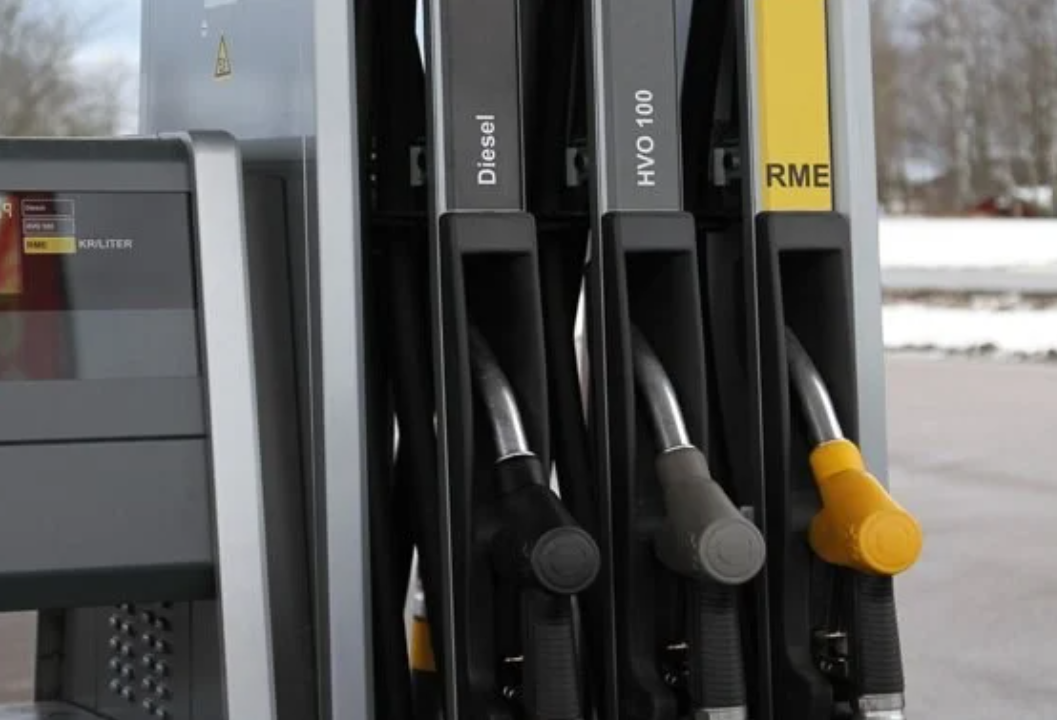
Germany has taken a step forward by approving the use of HVO as an alternative to diesel, which could result in a significant reduction of up to 90% in CO2 emissions. This initiative arises as part of an effort to address environmental and climate challenges, highlighting the versatility and efficiency of this biofuel derived from vegetable oils.
HVO offers the additional advantage of being compatible with existing diesel engines, facilitating its adoption in the transportation industry. However, in Spain, despite some progress in the commercialization of HVO, clear regulation has not yet been established. This raises questions about the direction the country will take in terms of energy and environmental policies.
Fenadismer, aware of the importance of diversifying propulsion technologies to reduce pollution, advocates for a comprehensive strategy that includes both electrification and the use of HVO. They believe that an orderly transition to electric mobility, coupled with the promotion of HVO, could benefit both transporters and the environment.
It is essential to strike a balance between economic viability and environmental concerns when making decisions about the future of transportation. In this regard, HVO could play a crucial role by offering an intermediate solution that allows for emissions reduction without compromising operational efficiency or requiring new costly infrastructure.
Furthermore, Fenadismer highlights the potential of HVO to extend the lifespan of current vehicles and leverage existing gas station infrastructure. They advocate for a realistic and economically viable transition, considering both the limitations of transporters and the stability of the national electrical supply.