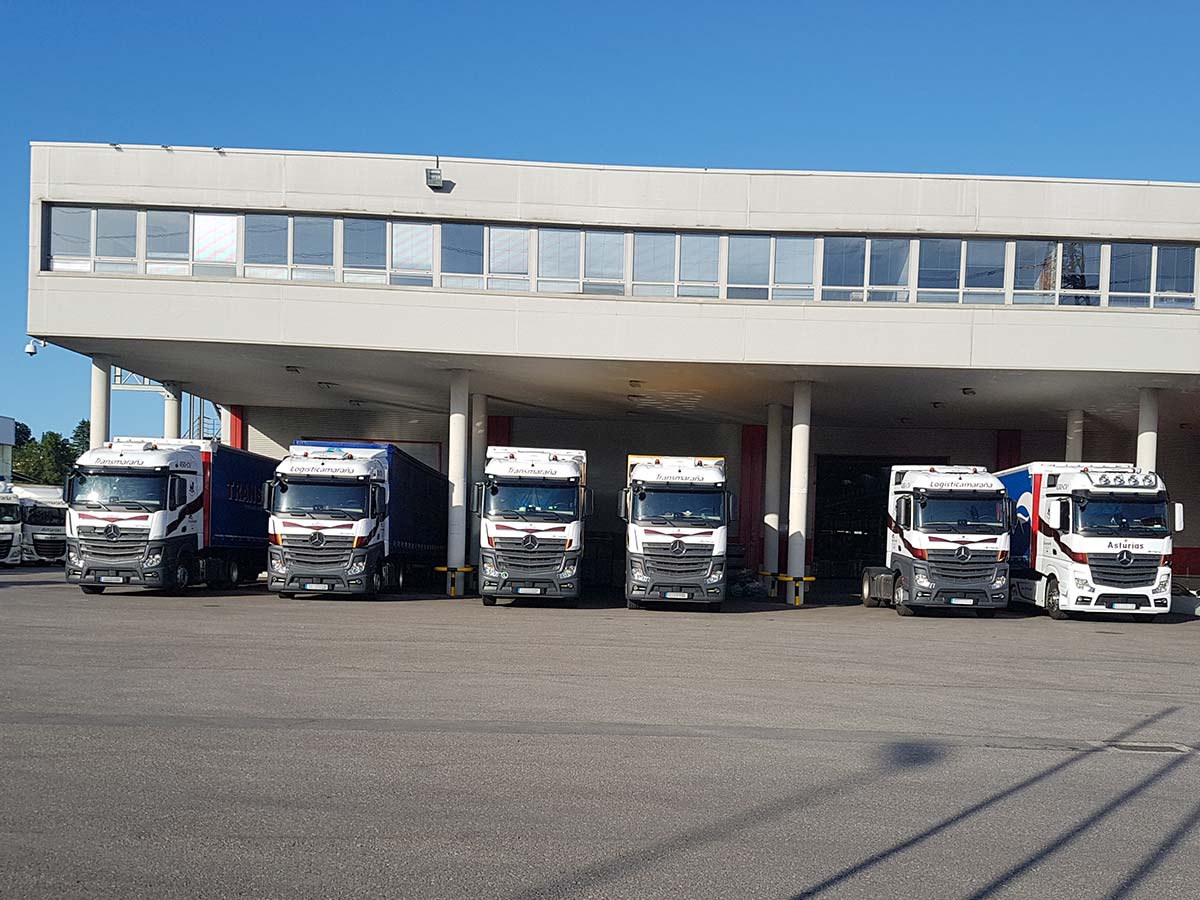
The challenge of generational turnover resulting in a shortage of transportation drivers is a widespread issue in numerous countries worldwide. In Spain, the logistics and transportation sector estimates that over 20,000 new truck drivers would be needed annually to fill vacancies, considering that 70% of transporters in Spain are over 50 years old. This situation has led the Spanish Confederation of Goods Transport (CETM) to raise the alarm about the threat this driver shortage poses to the future of transportation in the country.
This issue extends to the rest of Europe, with Poland and the United Kingdom leading the way, and countries like Germany or France equally concerned. All of these countries exceed 10% of their total active driver workforce that is needed for replacement in Spain, according to the Transport Intelligence research group. Additionally, recent reports indicate a shortage of approximately 100,000 truck drivers in the United States, prompting the American Trucking Association to urge the Biden administration to take steps to address this problem.
As for solutions, a European approach focusing on the term “accompanied” is highlighted, which is deemed crucial in the proposed review of the driver’s license. This practice, involving a 17-year-old driver operating a truck under the supervision of an experienced transporter, is seen as an effective method of extended job training that can significantly help bridge the generational gap in the transportation industry.
Moreover, both the Transport Committee of the European Parliament and the EU Parliament recognize the need to expand a proposal by the European Commission to develop a framework among the twenty-seven member states for the recognition of licenses and qualifications of third-country drivers. These steps are considered essential to eliminate barriers preventing young EU citizens from entering the profession and to complement the local workforce with drivers from third countries.
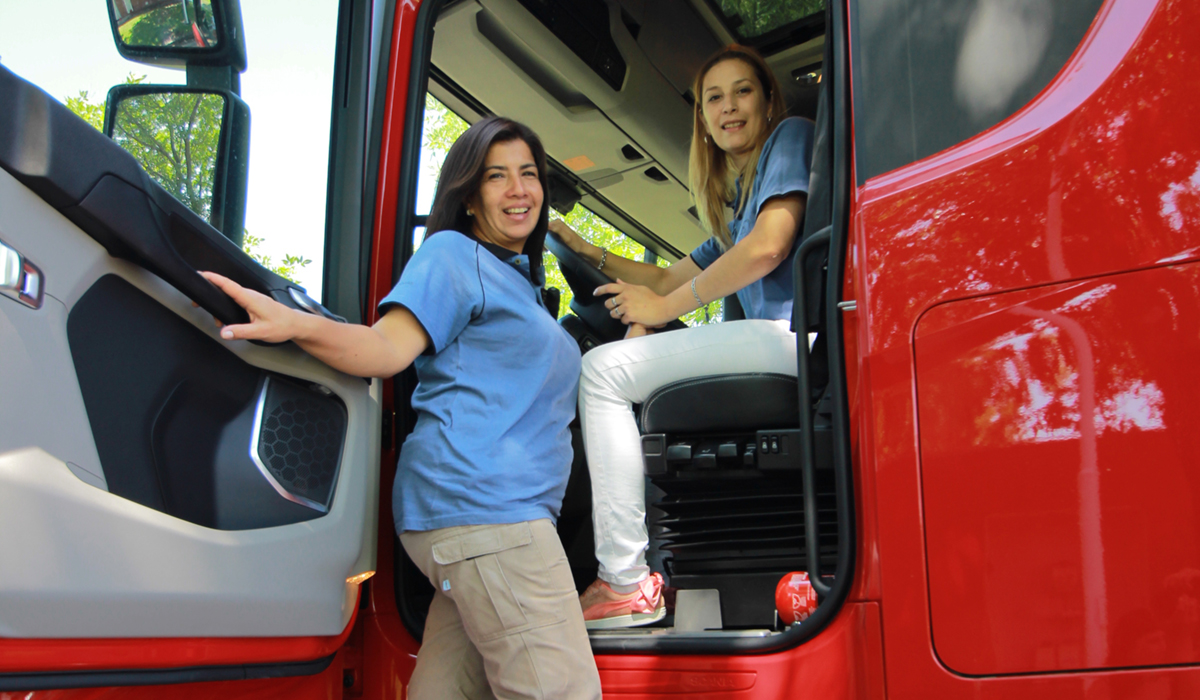
However, despite these advancements, the transportation industry faces a demographic crisis, with drivers under 25 remaining a minority, while the average age of drivers surpasses 50. It is crucial to promote measures facilitating work-life balance and improve safety conditions, especially for female drivers. Although some private initiatives, such as scholarships for female drivers offered by companies like Mann, have been taken, much remains to be done to address this complex situation. For example, only 3% of existing parking spaces in the EU are certified as safe and protected, despite funding provided by the EC to improve these areas. This underscores the need for more efficient utilization of available resources to ensure a safe and attractive working environment for truck drivers across Europe.