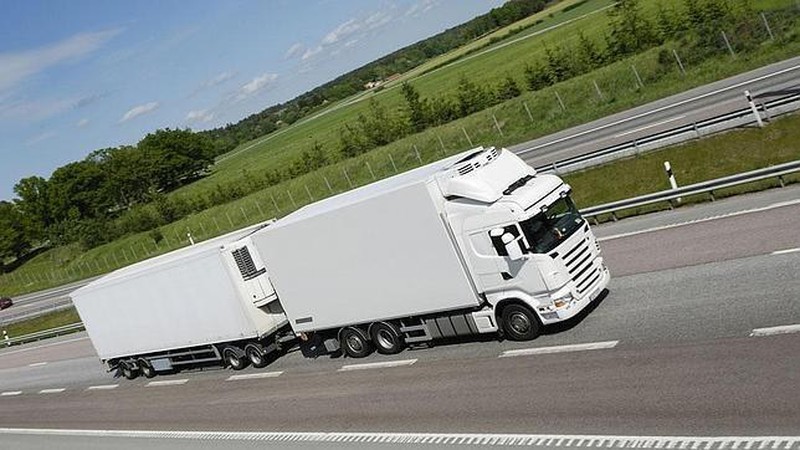
Progress in the modification process of the Weights and Dimensions Directive continues, with the approval by the full European Parliament of increasing mass and dimensions to 44 tonnes, as well as the use of megatrucks, as previously approved by the Parliament’s Transport Committee. However, this process is on hold until after the June elections, as consensus among the Parliament, Council, and Commission is required.
The aim of revising the Directive is to adapt its provisions to the current transportation reality and support the transition to more sustainable modes and decarbonization. In this regard, the text approved by the European Parliament strengthens rules to encourage the use of zero-emission trucks. While organizations like ACEA and IRU support this text, others concerned about the environment, like Transport and Environment, lament some provisions that could further incentivize combustion vehicle use.
The European Parliament has approved allowing a four-tonne increase in the weight of electric battery or hydrogen fuel cell trucks, providing them with greater cargo capacity and serving as an incentive to adopt these technologies. However, the proposal to allow these additional four tonnes for diesel trucks until at least 2035 is also supported, potentially reducing the incentive for zero-emission truck use.
Nevertheless, zero-emission trucks will still be allowed to carry an additional four tonnes up to 44 tonnes, regardless of the weight of their propulsion systems. Additionally, it is stipulated that installing zero-emission technologies must not compromise cabin space or driver comfort.
Regarding megatruck use, it is suggested that Member States may permit their circulation, although they are not obligated to do so. The proposal includes creating a community label and website to provide information on roads allowed for these vehicles.
Furthermore, there is a proposal for greater control over vehicle weights and dimensions, with the implementation of digital tools to ensure compliance with established limits. Organizations like FENADISMER and UETR express support for the approved provisions but believe the focus prioritizes the electric system over others, potentially penalizing combustion vehicles after 2035. These organizations argue that all propulsion modes should be valid if they contribute to sector decarbonization, especially given the limited heavy vehicle charging infrastructure in Europe.